Welcome to PageForUSA!, we are dedicated to providing practical solutions for everyday health and personal care challenges. We know that dealing with dandruff can be frustrating and embarrassing, but you’re not alone. Many people struggle with this common scalp condition, and we’re here to help you overcome it! In our latest blog post, “How to Get Rid of Dandruff,” we explore natural remedies, medical treatments, and lifestyle tips to keep your scalp healthy and flake-free. Whether you’re dealing with dry skin, an oily scalp, or product buildup, we’ve got a range of strategies that can address the root causes of dandruff. Our goal is to help you feel confident and comfortable in your own skin. By following the tips in this guide, you can reduce dandruff and maintain a healthy scalp. So, dive in and discover the best ways to say goodbye to those unwanted flakes.
What is Dandruff?
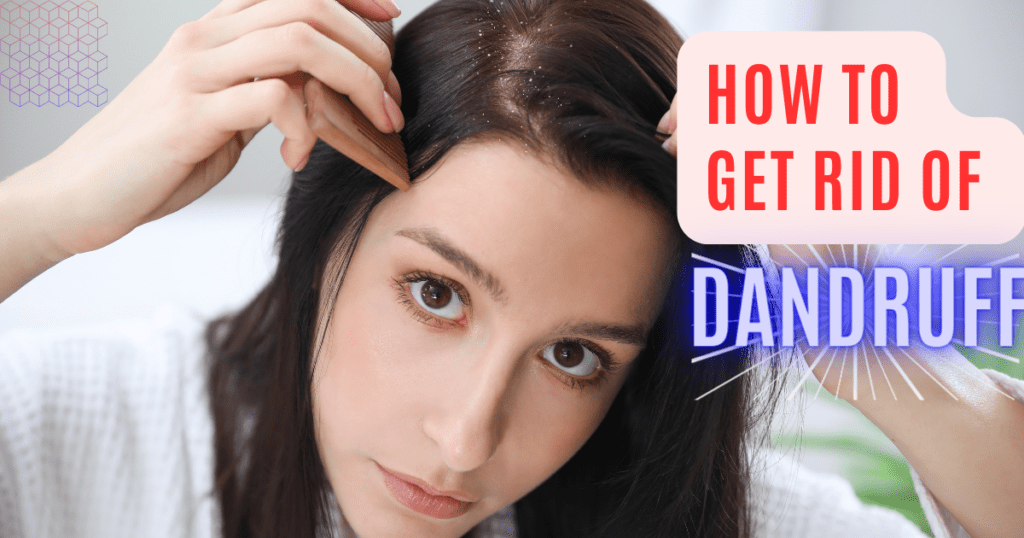
Dandruff is a common scalp condition characterized by the shedding of dead skin cells from the scalp. It is a chronic condition that can cause flaking, itching, and irritation of the scalp. While it is not a serious medical condition, it can be a source of embarrassment and discomfort for those who suffer from it. The exact causes of dandruff are not fully understood, but it is believed to be caused by a combination of factors, including an overgrowth of yeast on the scalp, hormonal imbalances, stress, poor diet, and genetic predisposition. It can affect people of all ages and genders, but it is more common in men and those with oily skin. While dandruff is not a serious medical condition, it can have a significant impact on a person’s quality of life. It can cause embarrassment, social stigma, and discomfort, and can even lead to anxiety and depression in some individuals. If you are experiencing symptoms of dandruff, it is important to seek treatment to alleviate your symptoms and improve your overall well-being.
Causes of Dandruff
There are several factors that are believed to contribute to its development.
Yeast Overgrowth
One of the main factors believed to contribute to dandruff is an overgrowth of yeast on the scalp. This yeast, called Malassezia, is a normal part of the scalp’s microbiome, but an overgrowth can cause inflammation and irritation of the scalp, leading to the formation of dandruff. In addition, Malassezia produces oleic acid, which can further irritate the scalp and contribute to the development of dandruff.
Hormonal Imbalances
Hormonal imbalances can also contribute to the development of dandruff. Androgens, which are male hormones that are also present in women, can stimulate the production of sebum, an oily substance produced by the sebaceous glands in the scalp. An overproduction of sebum can create an environment that is conducive to the growth of Malassezia, which can lead to the development of dandruff.
Stress
Stress is another factor that is believed to contribute to the development of dandruff. Stress can weaken the immune system, making it more difficult for the body to fight off infections and inflammation. In addition, stress can also trigger the production of sebum, which can create an environment that is conducive to the growth of Malassezia.
Poor Diet
A poor diet can also contribute to the development of dandruff. Diets that are high in sugar and processed foods can cause inflammation in the body, which can lead to the development of dandruff. In addition, diets that are low in zinc, vitamin B6, and omega-3 fatty acids can also contribute to the development of dandruff.
Genetics
Genetics may also play a role in the development of dandruff. People who have a family history of dandruff may be more likely to develop the condition themselves.
Environmental Factors
Environmental factors, such as changes in weather or exposure to pollution, can also contribute to the development of dandruff. In some cases, using harsh hair treatments or styling products can also irritate the scalp and contribute to the development of dandruff.
Remedy on Dandruff
There are several home remedies that may help in reducing or getting rid of dandruff. Here are some of the most effective remedies:
Coconut oil and lemon juice
Mix equal parts of coconut oil and lemon juice and massage the mixture into your scalp. Leave it on for 20-30 minutes before washing it off with a mild shampoo.
Camphor
Heat half a cup of extra virgin coconut oil Mix camphor powder with coconut oil and allow it to dissolve. Massage coconut oil and camphor powder into your flaky scalp at least 30 minutes before you wash your hair
Apple cider vinegar
Mix equal parts of apple cider vinegar and water, and apply it to your scalp. Leave it on for 15 minutes before washing it off with a mild shampoo.
Aloe vera
Apply fresh aloe vera gel to your scalp and leave it on for 30 minutes before washing it off with a mild shampoo.
Tea tree oil
Mix a few drops of tea tree oil with a carrier oil, such as coconut or olive oil, and massage it into your scalp. Leave it on for 30 minutes before washing it off with a mild shampoo.
Baking soda
Mix 2-3 tablespoons of baking soda with water to form a paste. Apply it to your scalp and massage it in. Leave it on for 10-15 minutes before washing it off with a mild shampoo.
Treatment for dandruff typically involves using over-the-counter medicated shampoos that contain ingredients such as coal tar, salicylic acid, or selenium sulfide. These shampoos work by reducing the growth of yeast on the scalp and by removing excess oil and dead skin cells. In some cases, prescription-strength shampoos or topical medications may be necessary to treat severe or persistent cases of dandruff. It’s important to note that while these remedies may help reduce dandruff, it’s important to address the underlying causes of dandruff as well, such as a dry scalp or a fungal infection. If your dandruff persists or is severe, it’s best to consult a dermatologist.
FAQ
- What causes dandruff?
Dandruff can be caused by dry skin, excess oil on the scalp, fungal infections, or sensitivity to hair products. - Can dandruff be cured?
While dandruff can’t always be permanently cured, it can be effectively managed with the right treatments and scalp care routine. - What are some natural remedies for dandruff?
Natural remedies include using tea tree oil, coconut oil, aloe vera, or apple cider vinegar to soothe the scalp and reduce flakes. - How often should I wash my hair to prevent dandruff?
Washing your hair 2-3 times a week with a gentle anti-dandruff shampoo can help control dandruff without over-drying your scalp. - When should I see a doctor for dandruff?
If dandruff persists despite home treatments or becomes severe with itching and redness, consult a dermatologist for professional advice.